
Table of Contents
Popular Transmission Options
Engine Mounting
Fueling
Driver Display
PCV Systems
Turbochargers
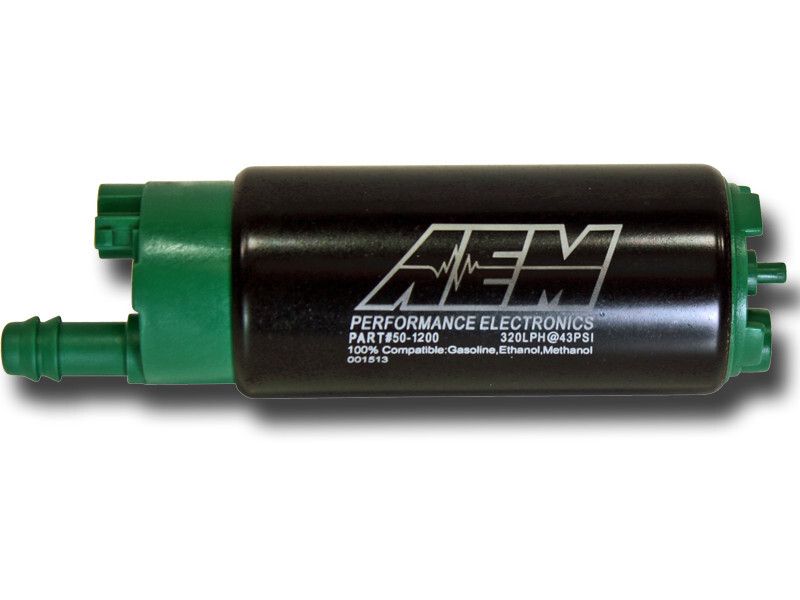
Being direct-injected, the Ecoboost family has two sides to the fuel equation. Low-side and high-side pressure work in tandem to deliver the correct pressures to the injectors. The low side is what you would typically expect in any automotive application. The in-tank pump delivers fuel to the regulator like normal. Any in-tank pump will accomplish this task, but we typically like to recommend AEM's 340 LPH fuel pump, as they are a standard go-to for many applications and they just work. Any vacuum-referenced regulator will also work as long as it's set to 65 psi and its vacuum line(s) are routed appropriately. There are other setups that have worked in the past, but we feel the best results are with this setup.
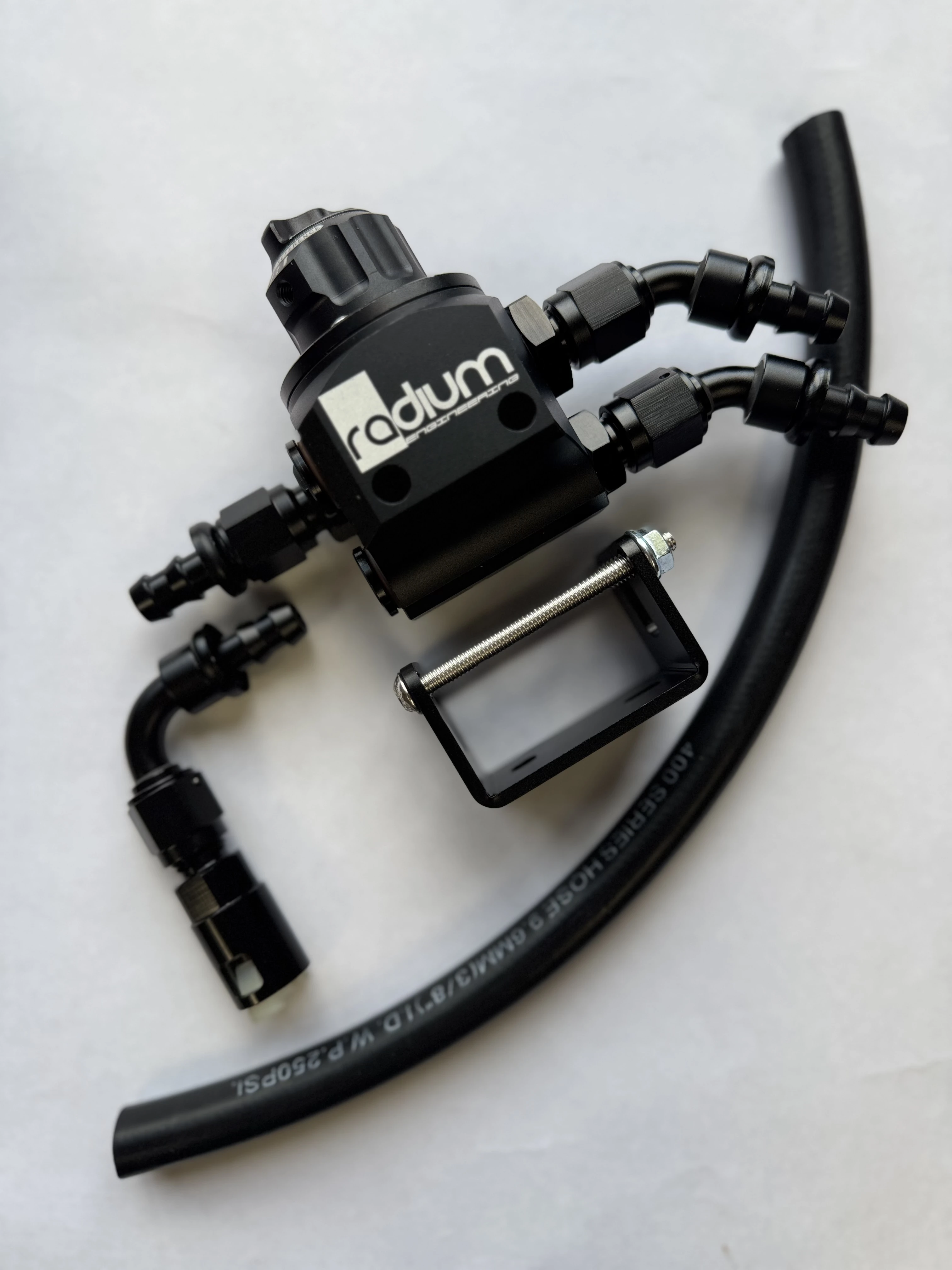
Next, let's look at the Fuel-Pressure Regulator (FPR). The EcoBoost fuel system requires a single feed line from the fuel pump to the FPR, along with a way to send unused fuel back to the tank. To make this plug-and-play, JEM-Sport offers an FPR Kit featuring a multi-port Radium regulator. This regulator handles the fuel return internally, effortlessly routing any excess fuel straight back to the tank. On the other side of the FPR you will have a single fuel feed outlet to the direct injection pump.
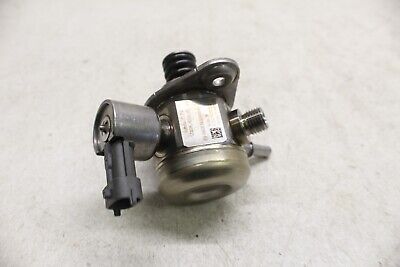
The high-pressure portion of the fuel system is typically where the 'common knowledge' of systems in the past breaks down. The regulator (supplying a base of 65 psi) feeds the cam-driven high-pressure fuel pump, which raises the pressure by several thousand psi to the direct injection fuel rail before being injected directly into the cylinder's.
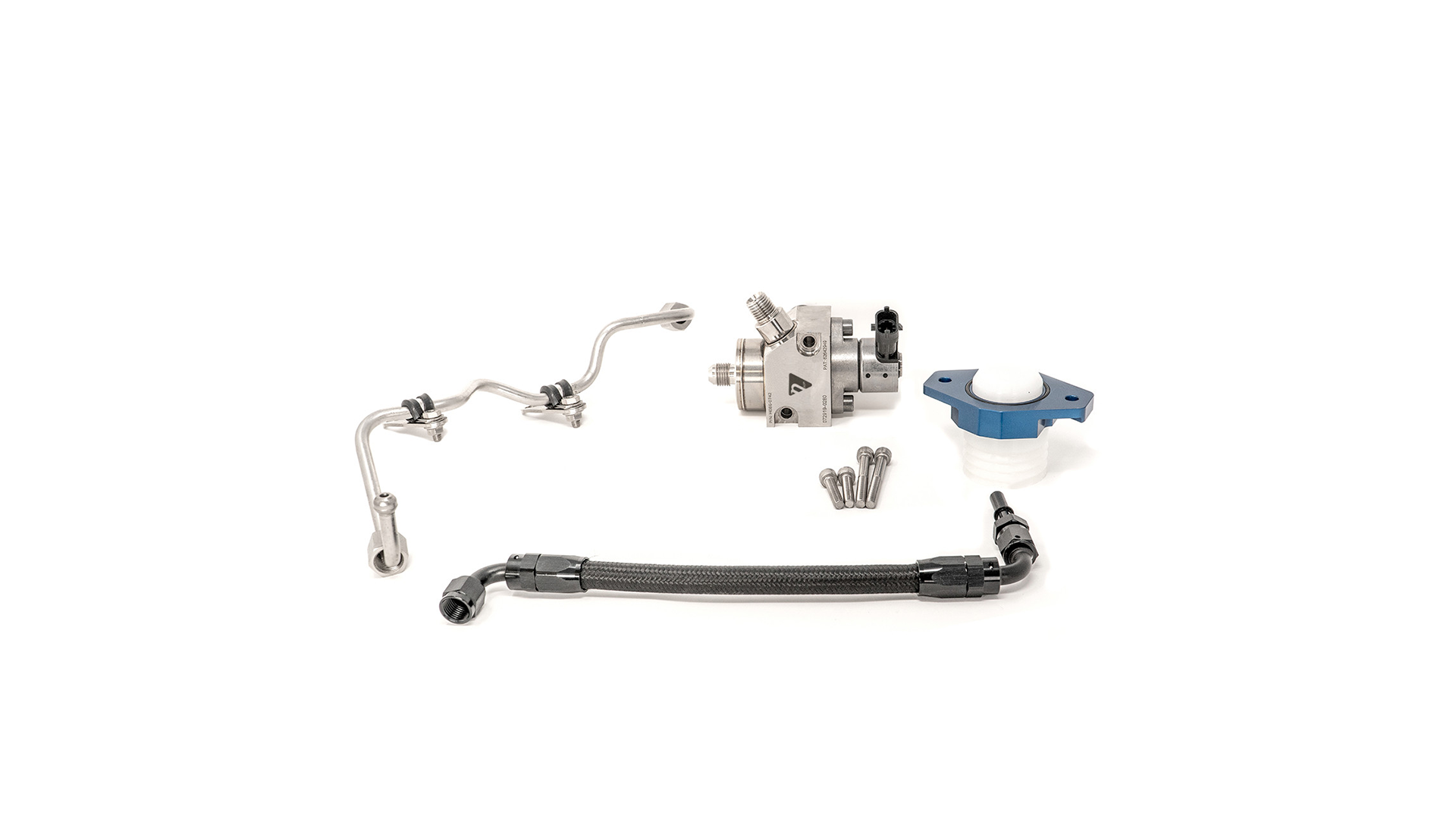
More common as it is found on the 2.3T and Gen 2+ 2.0T is the four lobe design HPFP. It is nearly identical to the three lobe pump except its design allows it to push around 700 more psi to accomodate the difference in displacement and turbocharger. It is critical when upgrading you select a HPFP that is compatible with the three lobe design. Depending on your application an Ecoboost Mustang or Focus RS upgrade kit would be the best option for you.
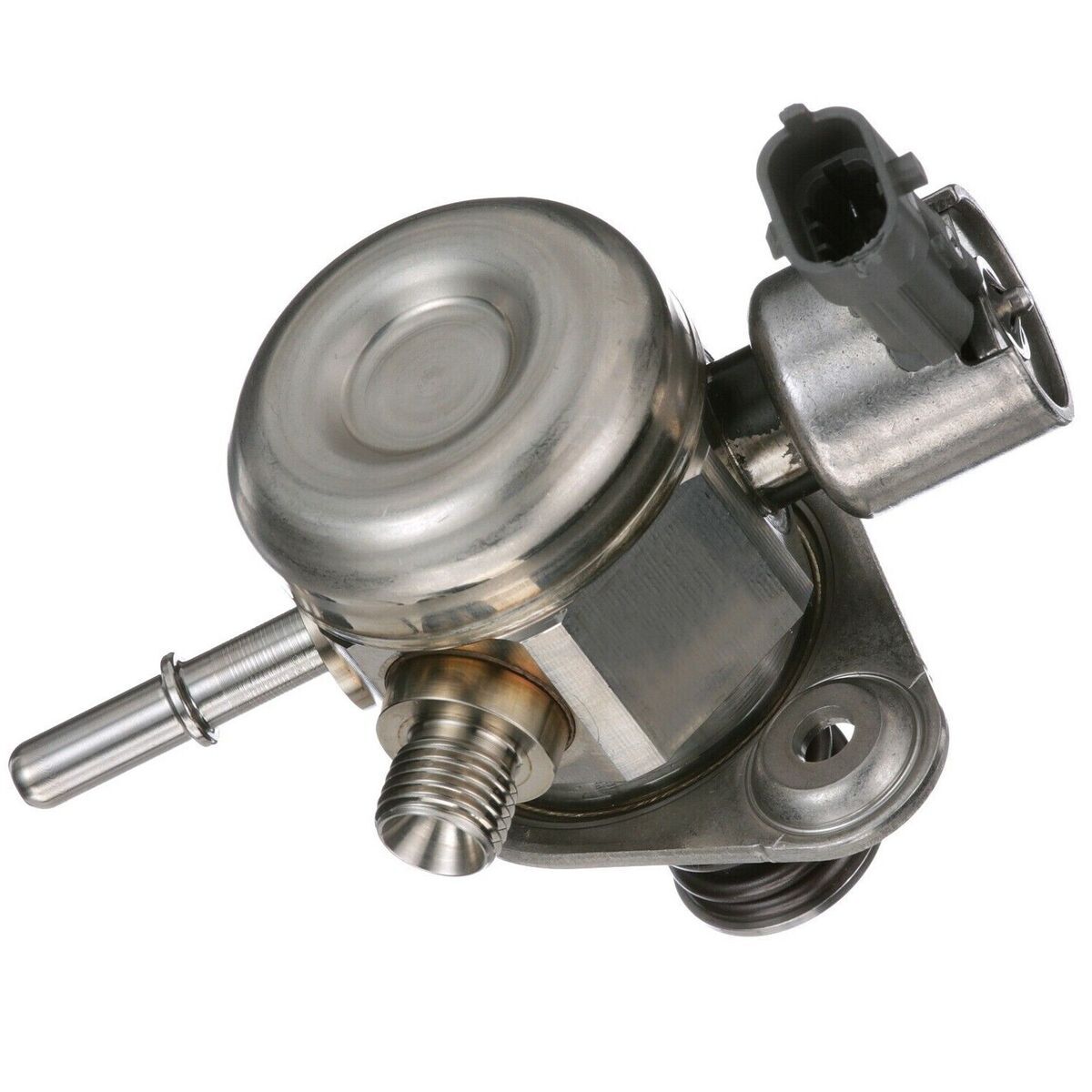
Upgrading the high pressure fuel pump is a job most can complete in under half an hour and in the case of Nostrum’s Ecoboost Mustang HPFP upgrade nets a 63% increase in flow over the OEM pump! When paired with their injector upgrades, you quickly find yourself with a fuel system ready to tackle the demands of a 700whp engine without any complicated wiring, secondary controller tuning or the need to run fuel lines and an additional pump. Upgrading these components means that your OEM ECU is still the only source of information for your fueling solution. The ease of tuning for an upgraded HPFP and injectors usually means all your project would need is a revision from your tuner to account for the higher flow.
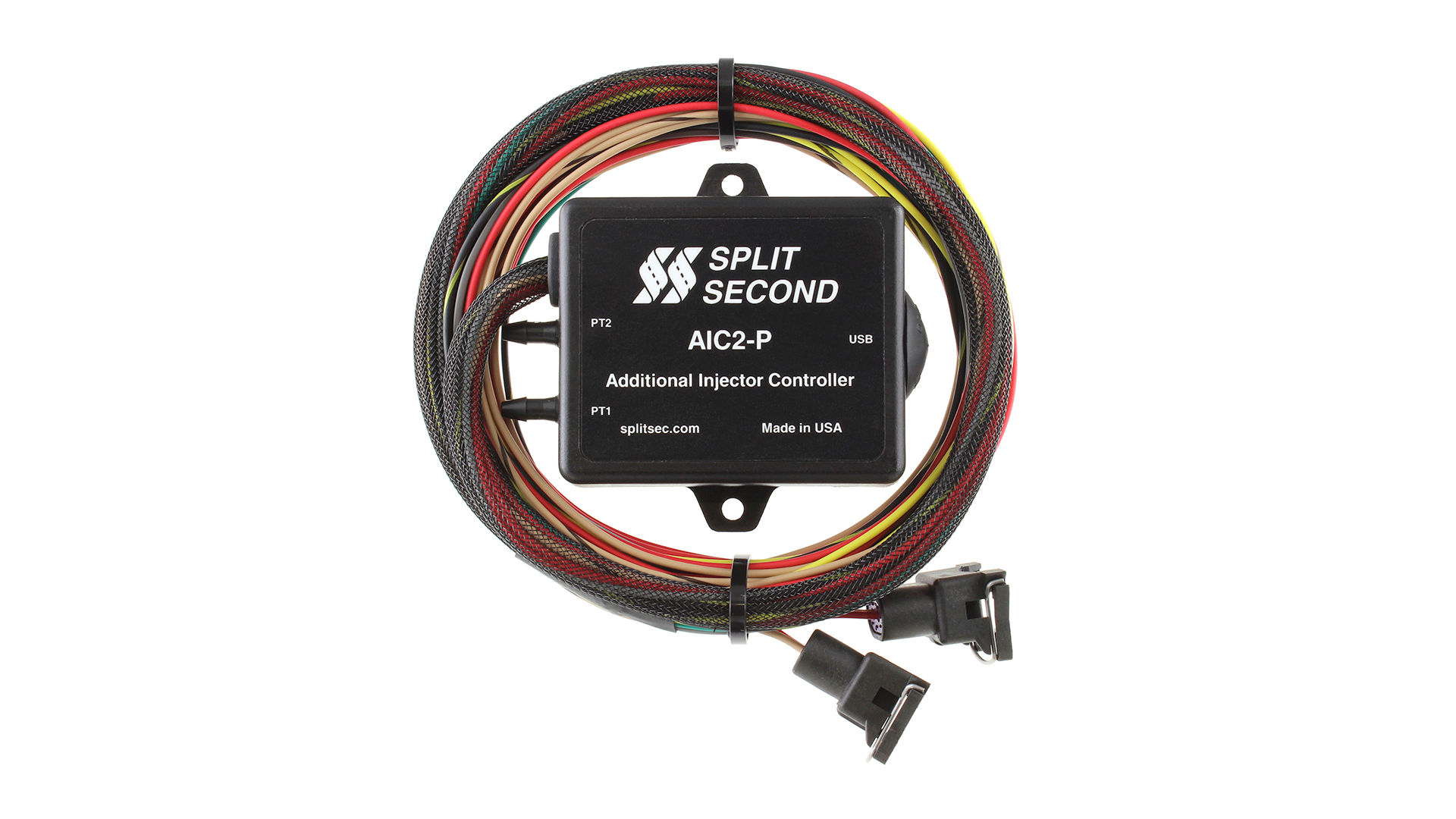
In previous years, many enthusiasts have turned to auxiliary fuel systems in order to overcome the hardware limitations of Ford’s factory components. This typically involves installing port injectors in between the throttle body or intake manifold. Exact timing is achieved with additional controllers such as Split Second that are designed to operate in conjunction with the OEM ECU. This has a host of benefits such as cleaning intake valves similar to an OEM dual injection fuel system, upgradability to larger port injectors and an initial lower cost. However, the complexity of the install and reliance on a secondary controller with very little data from the ECU makes this difficult to recommend for many. If the secondary controller or any wiring were to fail, it could spell disaster for your project. However, if your project is running a standalone ECU capable of controlling both direct and port injection, this could be a viable choice for fueling upgrade.
Have further questions we didn't answer above? Contact us today!