
Table of Contents
List of EcoBoost Equipped Vehicles
Popular Transmission Options
Engine Mounting
Driver Display
PCV Systems
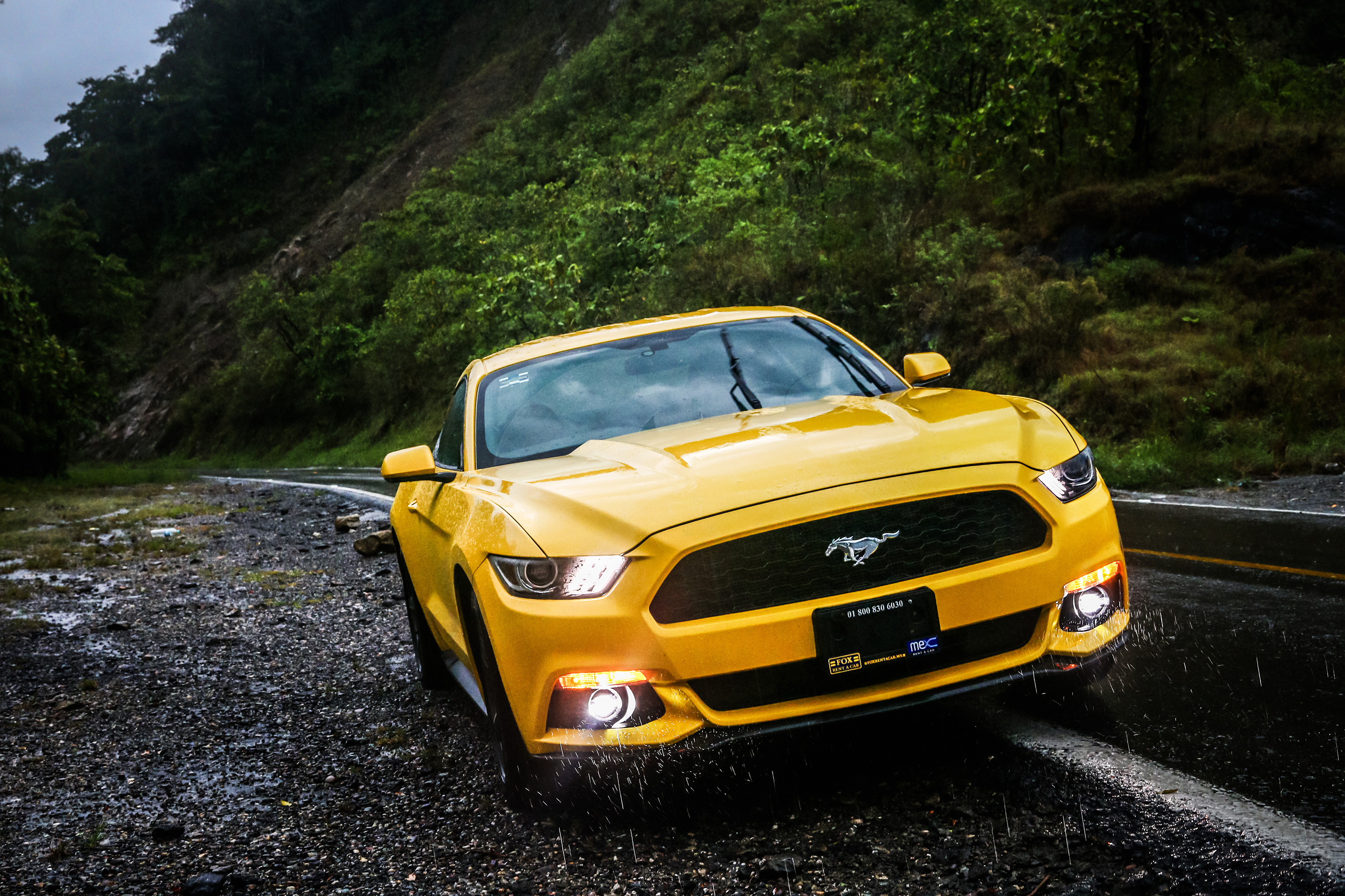
While not exhaustive, below is a list of EcoBoost equipped vehicles that can be sought as donors.
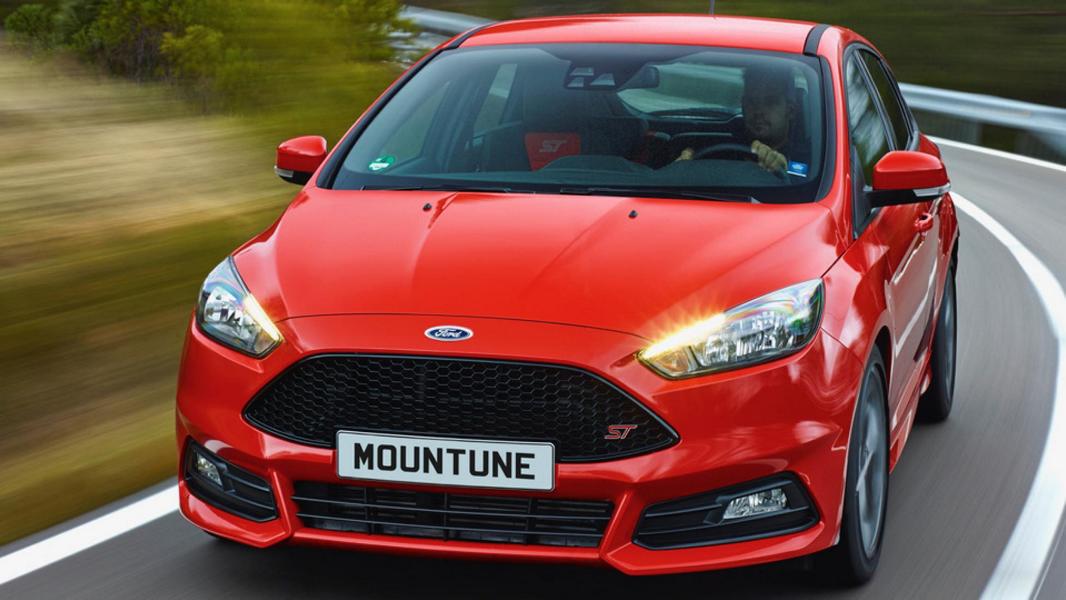
2.0L - 1st Gen, Single Scroll
These 1st Gen engines are some of the strongest blocks and the least expensive to purchase used, making them great candidates if you plan to build for high horsepower. But keep in mind, you'll need to upgrade many items to do so. Their stock components, such as the fuel system and turbo limits them to about ~250hp.
2012–2018 Ford Focus ST
2013–2015 Ford Escape
2011-2014 Ford Edge
2013–2016 Ford Fusion
2013–2017 Ford Taurus
2013–2015 Lincoln MKZ
2015–2016 Lincoln MKC
2.0L - 2nd Gen, Twin Scroll
These engines are basically the same as the 1st Gen 2.3L, just with less displacement and slightly different turbos depending on the model. Some of these 2nd Gen 2.0L engines had significant headgasket issues before Ford remedied the issue in ~2018-2019.
2015–2018 Ford Edge
2017–2020 Ford Fusion
2016–2019 Ford Escape
2016–2020 Lincoln MKZ
2017-2020 Lincoln MKC
2.0L - 3rd Gen
The 3rd Gen 2.0L follows a similar pattern in that it's basically the same as the 2nd Gen 2.3L(2019 Ranger, Bronco, etc.), only with less displacement. These are capable engines that can be had for a good price, but typically equipped with smaller turbos and FWD orriented accessories.
2020– Ford Escape
2020- Ford Edge
2021– Ford Bronco Sport
2019– Lincoln Nautilus
2020– Lincoln Corsair
2022– Ford Maverick
2.3L - 1st Gen
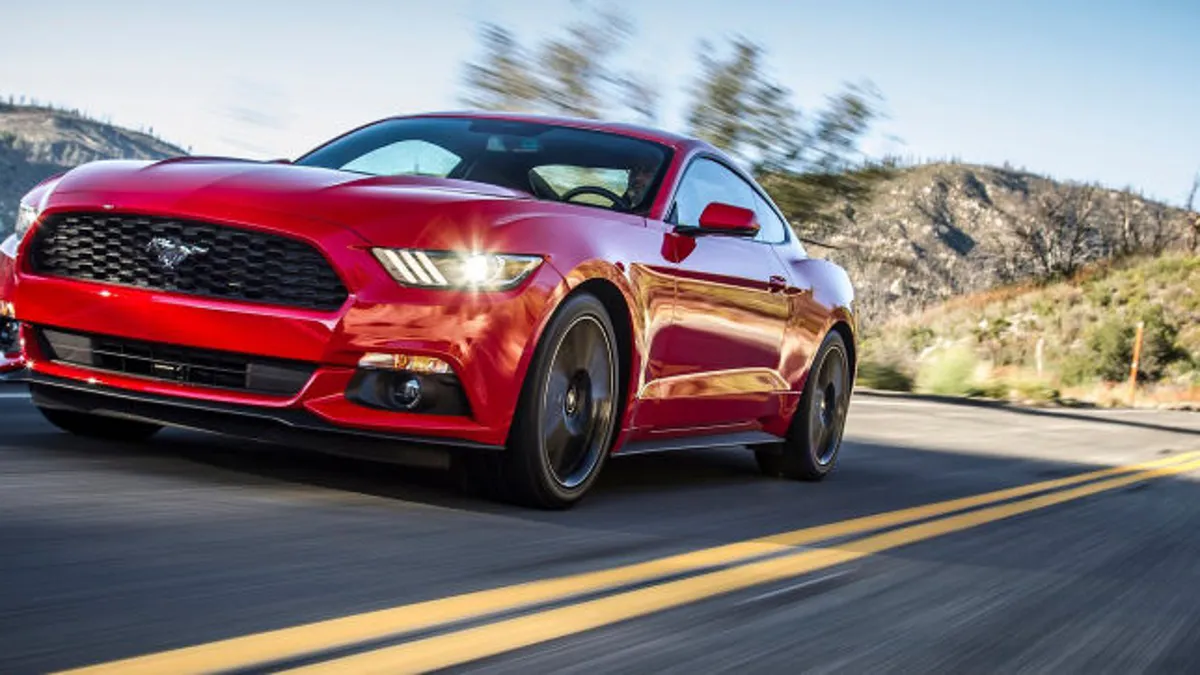
These are the best "bang-for-buck" option for most applications. While more valuable than other options, the EcoBoost Mustangs do come with RWD-oriented accessories as well as the fuel system and turbo to make ~350hp in stock form.
2016– 2018 Ford Explorer
2015–2019 Lincoln MKC
2015–2023 Ford Mustang EcoBoost
2016–2018 Ford Focus RS
2.3L - 2nd Gen
In our experience, these engines are very stout and likely capable of some surprising torque numbers. However, their new oil-pump/balance-shaft design means you are pretty well stuck with OEM oil pan options. This makes fitting them into smaller sports cars a greater challenge. We also start to see these later-model Ford ECUs increasingly difficult to tune or work with in general. After about 2021-22, an OEM ECU is not a good option, and our harness for the Link ECU should be considered.
2019– Ford Ranger
2020– Ford Explorer
2020–2022 Lincoln Corsair
2021– Ford Bronco
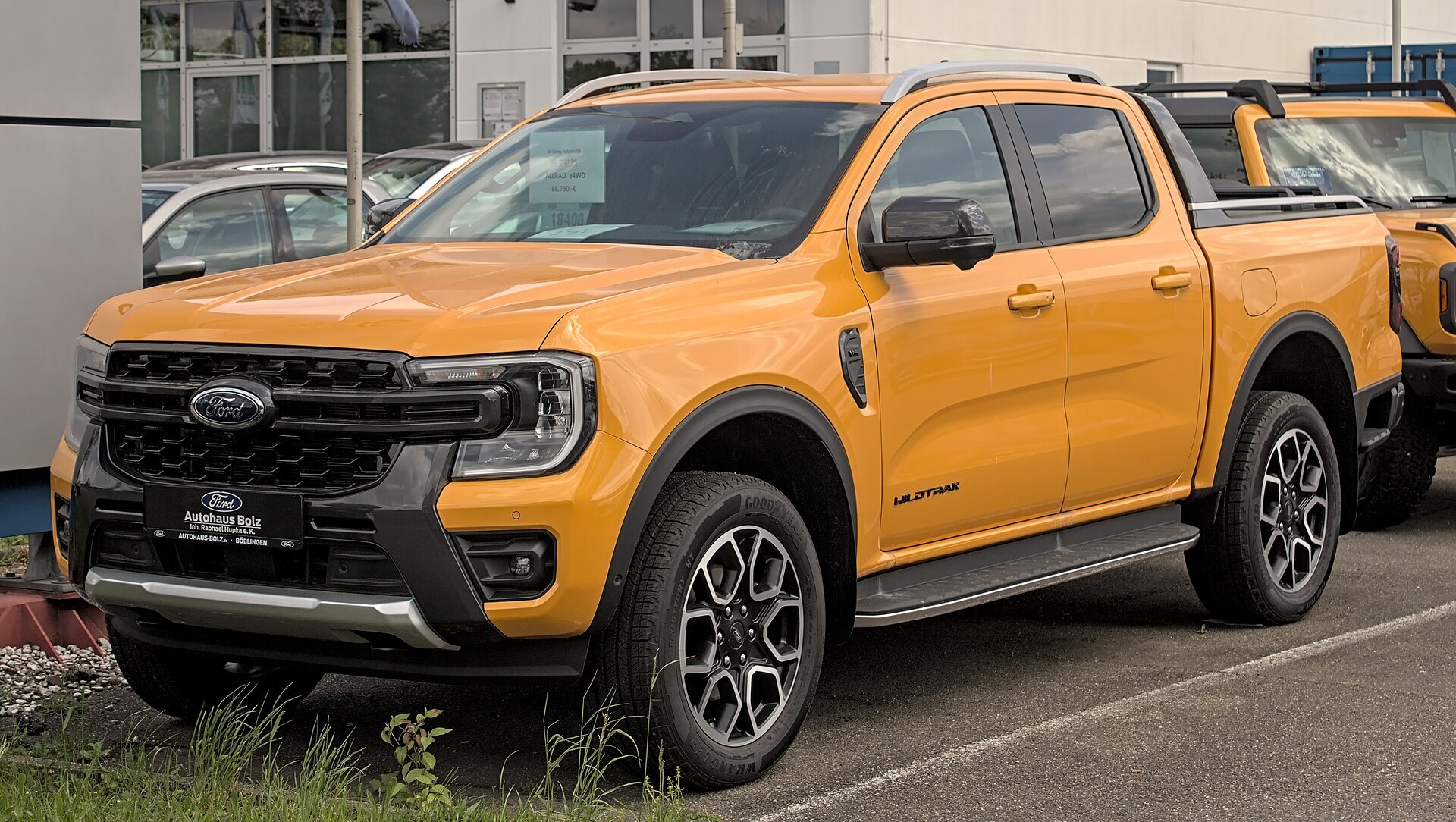
2.3L - 3rd Gen, "MPC"
The 3rd Gen 2.3L brings us factory-equipped Port Injection on top of the Direct Injection. Along with stronger internal components and a larger turbo, these engines show the most potential yet. The only option to control one of these is with our Link harness.
2024- Mustang EcoBoost
2025- Ford Ranger
2025- Ford Explorer
2025- Ford Bronco
3.5L - 1st Gen
Only this generation 3.5L Ecoboost uses direct injection and does not use port injection. We do have patch harnesses and ECUs for these engines, but they can be difficult to work with due to the number of changes from year-to-year and across different models.
2015– Ford Transit
2010–2019 Ford Flex
2010–2016 Lincoln MKS
2010–2019 Lincoln MKT
2010–2019 Ford Taurus SHO
2013–2019 Ford Explorer
2011–2016 Ford F-150
2015–2017 Ford Expedition
2015–2017 Lincoln Navigator

3.5L - 2nd Gen
The 2nd Gen 3.5L introduces us to the use of both Direct and Port Injection. These are efficient powerhouses that are much easier to work with than the 1st Gen 3.5L.
2017–2020 Ford F-150
2017-2020 Ford Raptor
2018–2021 Ford Expedition
2018–2021 Lincoln Navigator
2020- Ford Transit
2017-2019 Ford GT
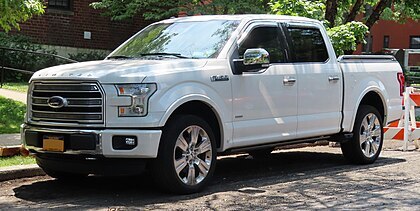
3.5L - 3rd Gen
The 3rd Gen 3.5L is very similar to the 2nd Gen. They can be controlled in the same way. It is actually very common to use 2nd Gen 3.5L wiring and ECUs to control 3rd Gen 3.5L engines. The ~2021+ OEM ECU is difficult and often impossible to work with in swap projects.
2021- Ford F150
2022- Ford Expedition
2022- Lincoln Navigator
2021- Ford Raptor
Have further questions we didn't answer above? Contact us today!